
On behalf of CropLife Europe, ADAS carried out an impact assessment to understand how stricter protection for non-target arthropods – such as beneficial insects – could affect agricultural production, farm businesses and food security across Europe.
The analysis found that while increased protection may support pollination, natural pest control, biodiversity and habitats, the gains are unlikely to offset the loss in crop output and farm income, particularly with permanent crops such as orchards and vineyards.
Background
Arthropods such as bees and spiders play an important role in agriculture. Proposed regulation changes aim to improve their protection from plant protection products (PPPs), but there is limited practical understanding of how these stricter requirements could affect farmers.
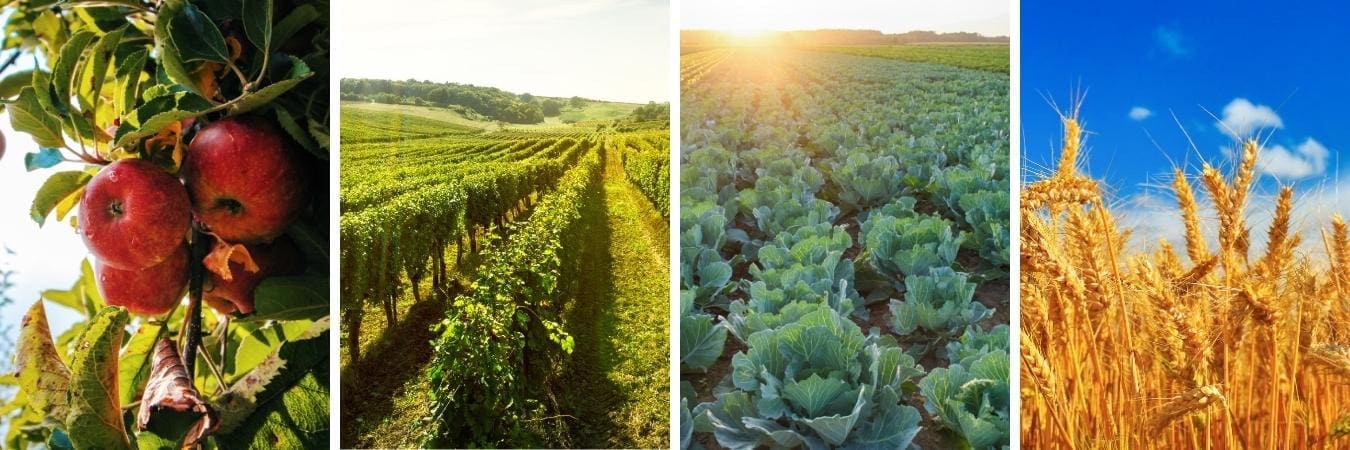
ADAS was commissioned to investigate the potential consequences across four crop sectors:
- Apples in Poland
- Vines in Italy
- Cabbages in the Netherlands
- Winter wheat in the UK
The study explored how different levels of non-target anthropod (NTA) protection could influence crop management, farm profitability, ecosystem services and food production.
What we did
ADAS evaluated four potential regulatory scenarios, ranging from continuing current practice through to reducing pesticide use and expanding untreated buffer zones.
We also assessed different ways growers might adapt their management practices, including:
- Increased use of Integrated Pest Management (IPM)
- Greater adoption of precision application technologies
- Expanded use of biological control measures
- More resistant crop varieties
- Enhanced monitoring and crop hygiene practices
The study examined the impact on nine key ecosystem services, including food production, pollination, biological control, freshwater quality, soil health and biodiversity. Implications for pesticide resistance management and European food security were also included.
Results
Significant changes to crop management
Achieving higher levels of NTA protection would require substantial changes to crop protection strategies. While alternative approaches are available, they are often more labour-intensive, more costly to implement, and may not provide the same level of pest and disease control as existing solutions.
Reduced crop production and farm income
Across all scenarios, there were predicted reductions in yields. The greatest impacts were seen when reduced pesticide use was combined with larger untreated buffer zones. Under this scenario, total crop losses across the EU were estimated at approximately 30 million tonnes annually, with significant financial impacts on growers.
Permanent crops such as orchards and vineyards were identified as particularly vulnerable.
Mixed outcomes for ecosystem services
The study found that stronger NTA protection could deliver benefits for:
- Pollination
- Natural pest control
- Biodiversity conservation
- Habitat provision
However, the analysis concluded that these gains were unlikely to fully offset the projected losses in crop production and farm income.
Food security
A reduction in domestic food production would increase reliance on imports and higher food prices. Environmental impacts may be displaced to countries outside the EU if production shifted overseas.
Resistance management risks
Relying on fewer plant protection products also presents risks. Fewer opportunities to rotate modes of action could accelerate the development of pesticide resistance, making remaining crop protection tools less effective over time.
Impact
By combining agronomic, economic, and environmental analysis, ADAS helped demonstrate the wider implications of increased regulation.
This report highlights the importance of finding the right balance between biodiversity protection, food production, and farm business viability.
Read the full report
Read the full study – Changes to Non-target Arthropod Risk Assessment for Plant Protection Products: Potential Impacts on Agronomic Practice
Project lead
Jim Dimmock
Jim Dimmock is a Principal Consultant in the ADAS Climate and Sustainability team with more than 30 years’ experience in agriculture and horticulture. With a practical farming background and a PhD in crop protection, he specialises in the agronomic, economic and sustainability impacts of crop production systems and agricultural policy.
Prior to joining ADAS, Jim spent 11 years at AHDB managing research and innovation programmes spanning precision agriculture, environmental sustainability and resource efficiency.
Contact Jim via the contact form below.